


Sheet Metal Bending & Fabrication
Sheet Metal Fabrication: Laser Cut, Formed and Finished in One Shop
Accubeam cuts your flat parts on a TRUMPF 6kW fiber laser and forms them on a TRUMPF TruBend 2100 CNC press brake (110 US tons, 10′ bed). Then we machine, grind, deburr and laser-mark them in the same Sarasota building. A person reviews every model and drawing before we quote, so bend problems get fixed on screen, not on your receiving dock. We’re AS9100D certified and ITAR registered.
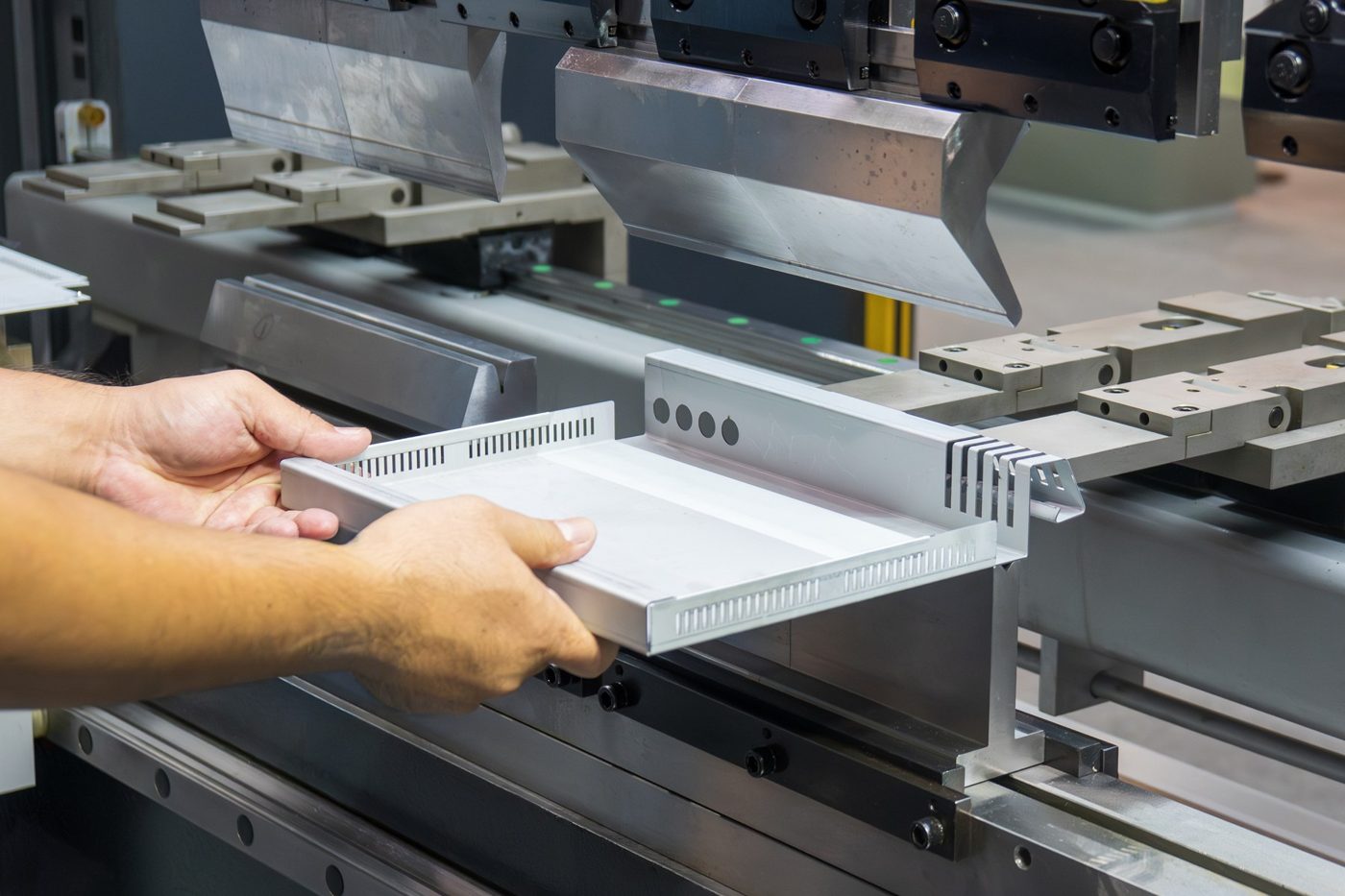 Forming a vented aluminum chassis on a CNC press brake
What buyers need from a sheet metal fabricator
Engineers and buyers tell us the same things. They want to hear about a design problem before the order, not after it. They want bends that match the print every time, and fewer vendors to manage. Here’s how we handle each one.
Design feedback before you order
Every drawing is reviewed by the person who runs our press brake, before we price it. If a hole is too close to a bend, a flange is too short or a radius will crack the alloy, we tell you, and we suggest the cheaper fix.
Flat patterns from our tooling
Send any 3D model of the formed part. We develop the flat pattern from our own bend deductions and tooling. If you want to model it yourself, ask us for the bend values to put in your CAD.
Bends that match the print
A CNC backgauge, TRUMPF precision tooling and a first-article check on new parts. Typical formed tolerance is ±.010–.015″ and ±1°. Tighter is quotable when the part needs it.
One shop instead of four
Cutting, forming, machining, grinding, deburring and marking all happen under one roof and one quality system. We manage outside finishing through Nadcap-accredited finishers, so you place one PO.
Quotes and parts, fast
Quick quotes with a real lead time. Prototypes and production runs go through the same shop, and we keep your program and setup for the next order.
The paperwork your QA asks for
Material certs and a certificate of conformance with every order. AS9102 first article reports on request, DFARS-compliant and domestic material, and laser-marked part numbers for traceability.
A person reviews your part before we quote it
Instant-quote websites price the file you upload, problems and all. At Accubeam, the person who quotes your part is the same person who runs our press brake. We look at how your part will actually bend before we quote it, and the quote includes any changes that would save you money or a remake.
Sheet metal fabrication capabilities
From a single bracket to a full kit of formed parts, cut, bent and finished to your drawing.
CNC Press Brake Forming
TRUMPF TruBend 2100 with a full 10′ of bending length.
- 110 US tons (100 metric) of press force
- CNC backgauge for repeatable flange lengths
- TRUMPF segmented precision tooling
- Long parts up to 10′ and short-run kits
Brackets, Angles & Channels
Mounting brackets, clips, gussets, Z-brackets, hat channels and stiffeners.
- Steel, stainless, aluminum and copper
- Holes and slots cut before forming
- Part numbers marked on the flat
- Prototype to production quantities
Chassis, Enclosure Parts & Covers
Formed boxes, trays, panels, covers and guards that assemble without a welding fixture.
- Tab-and-slot and self-locating designs
- Multi-bend boxes, trays and covers
- Vent and fan patterns cut in the flat
- Threaded inserts installed
Laser-Cut Blanks
Flat patterns cut on our own lasers, so the blank and the bend come from the same shop.
- TRUMPF TruLaser 1030 6kW fiber, 5′ × 10′, to 1″
- IPG 4kW fiber for precise thin parts
- Titanium cut to .125″ on the IPG
- Clean edges ready to form
Formed Copper & Aluminum Busbars
Flat and formed busbars for switchgear, battery storage, data centers and vehicles.
- Cut, formed and holes located to the print
- Offsets and multi-bend shapes
- Phase and part marks lasered on
- Plating through outside finishers
Formed Plate & Heavy Gauge
Thicker brackets, mounting plates and base plates, cut to 1″ and formed within the brake’s 110-ton capacity.
- Thickness matched to material and bend length
- AR400 and AR500 cut to 1″
- Flat plate Blanchard ground to ±.001″
- Straightening before grinding
Machining, Tapping & Hardware
Features you can’t laser cut, added in-house.
- HAAS VF3 CNC mill for machined features
- Drilling, countersinking and tapping
- Threaded inserts installed
- Holes sized and located for your hardware
Grinding, Deburring & Edge Finish
Edges that are safe to handle and surfaces ready for coating.
- Wide belt and cross belt sanding
- Vibratory tumbling and blasting
- Blanchard and surface grinding
- Outside finishes through Nadcap-accredited finishers
Marked Parts, Ready to Install
Part numbers, revisions, UID codes and logos laser-marked on the parts we form.
- Marking on the flat or after forming
- MIL-STD-130 UID and data plates
- Marking through paint and powder coat
- Counted and packed for your line
Designing parts that bend well
Most bending problems are designed in, so they’re cheap to fix on screen and expensive to fix on the brake. These four rules of thumb cover most of what we flag in design review. We’ll confirm exact values for your material and thickness when we quote.
Leave room to grip
The flange has to span the die opening while it bends, or it slips in.
Rule of thumb: at least 4× material thickness, measured from the outside of the bend.
Keep holes clear of the bend
Holes and slots too close to a bend stretch into ovals as the metal forms.
Rule of thumb: hole edge at least 2× thickness plus the bend radius from the bend. If a hole has to sit closer, tell us and we’ll work out how to form it.
Give the corner somewhere to go
Where a bend runs into an edge or a cutout, a small relief stops tearing and bulging.
Rule of thumb: relief width at least the material thickness, running a little past the bend.
Pick an alloy that bends
5052-H32 aluminum bends tight. 6061-T6 is strong but cracks on a small radius.
Rule of thumb: use 5052 for formed aluminum parts. For 6061-T6 and high-strength steels, plan on a radius of 2–4× thickness.
Also worth a look: design for an inside radius about equal to the material thickness, and keep it the same across the part. Run bends across the grain where you can, and add tabs and slots so mating parts locate themselves. Our Design Tips sheet (PDF) covers cut and formed parts in more detail.
Sheet metal parts for the industries we serve
Each industry needs different parts and different paperwork. These are the parts we’re asked for most, with a page for each industry.
Aerospace Aerospace ›
Formed aluminum and stainless brackets, clips and covers, with AS9102 first articles and marked part numbers.
Military & defense Military ›
Vehicle brackets, mounts, boxes and covers, AR plate and UID-marked parts under ITAR.
Electronics & data centers Electronics ›
Chassis, rack and blanking panels, cable management brackets, enclosure parts and busbars.
Energy & EV charging Energy ›
Switchgear barriers and covers, solar and storage brackets, charger pedestal and enclosure parts, busbars and base plates.
Auto & transportation Auto & Transportation ›
Brackets, heat shields, skid plates, battery trays and mounts for vehicles, trailers and rail.
Marine, medical & industrial Industrial ›
316 stainless and 5052 boat parts, device enclosure parts, machine guards and equipment panels.
Materials and capacity
Thickness limits depend on the material, the bend length and the die. Send the part and we’ll confirm it fits our brake.
| Material | Common uses | Notes |
|---|---|---|
| Cold-rolled & HRPO steel, A36 | Brackets, chassis, base plates | Most economical. Plate and paint after forming. |
| Galvanized & galvannealed | Enclosure parts, cable trays, racking | Coated before forming. Cut edges are bare. |
| Stainless 304 & 316 | Marine, medical, food, outdoor | Needs more force than mild steel, and springs back more. 316 for salt air. |
| Aluminum 5052-H32 | Enclosures, covers, marine parts | The best aluminum for bending. Bends tight without cracking. |
| Aluminum 6061-T6 | Structural brackets | Strong but cracks on tight bends. Use a larger radius. |
| Copper & brass | Busbars, grounding, electrical | Formed busbars with holes located to the print. |
| Titanium | Aerospace and medical | Cut to .125″ on the IPG laser. Forming reviewed part by part. |
| AR400 / AR500 | Wear liners, armor, guards | Cut to 1″. Forming reviewed part by part. |
Press brake at a glance
110 tons gives a wide operating range. Thicker material bends on shorter lengths, and stainless and high-strength steels need more force than mild steel. Send the part and we’ll confirm the fit.
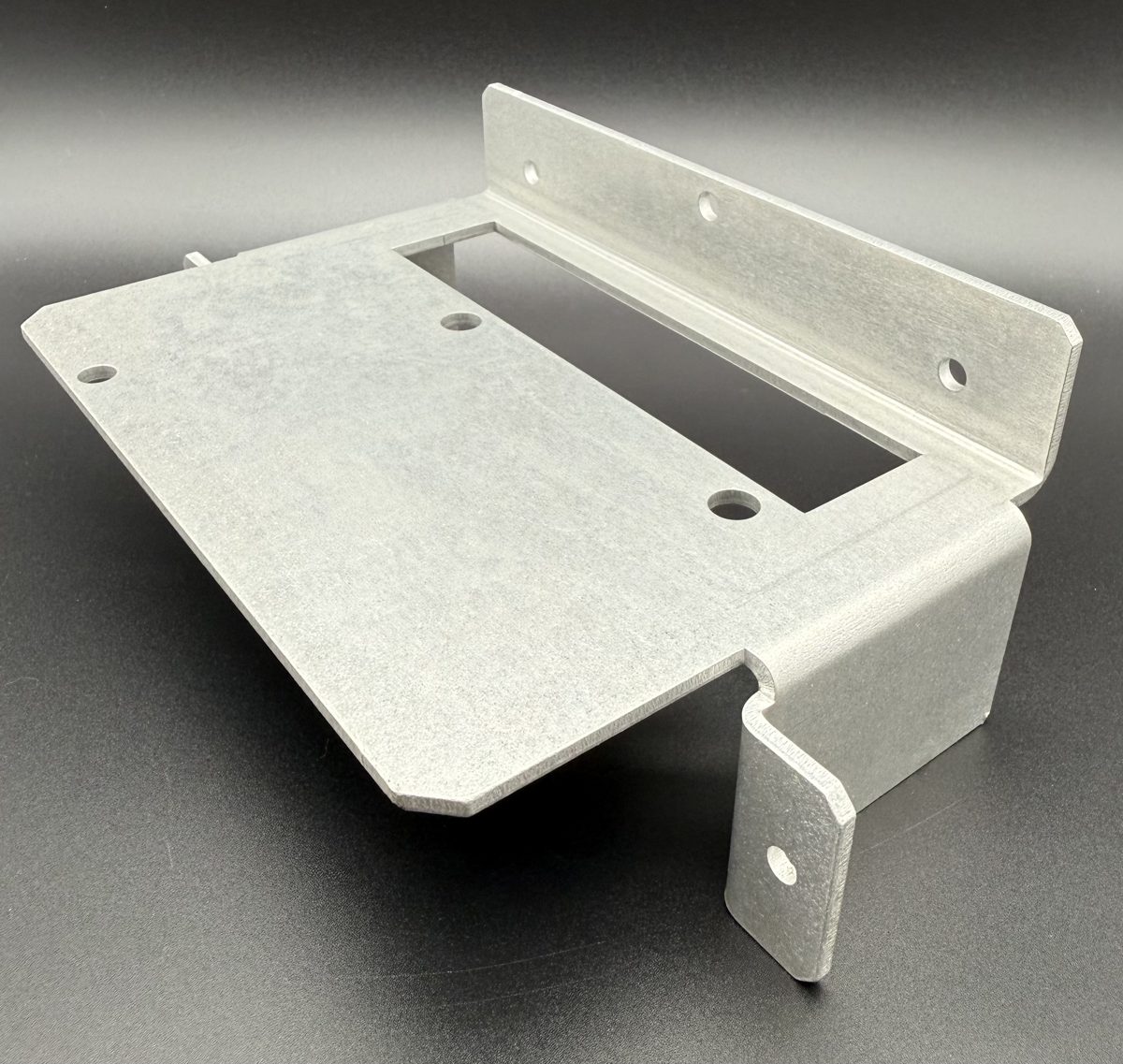 Formed aluminum bracketCut, formed and deburred
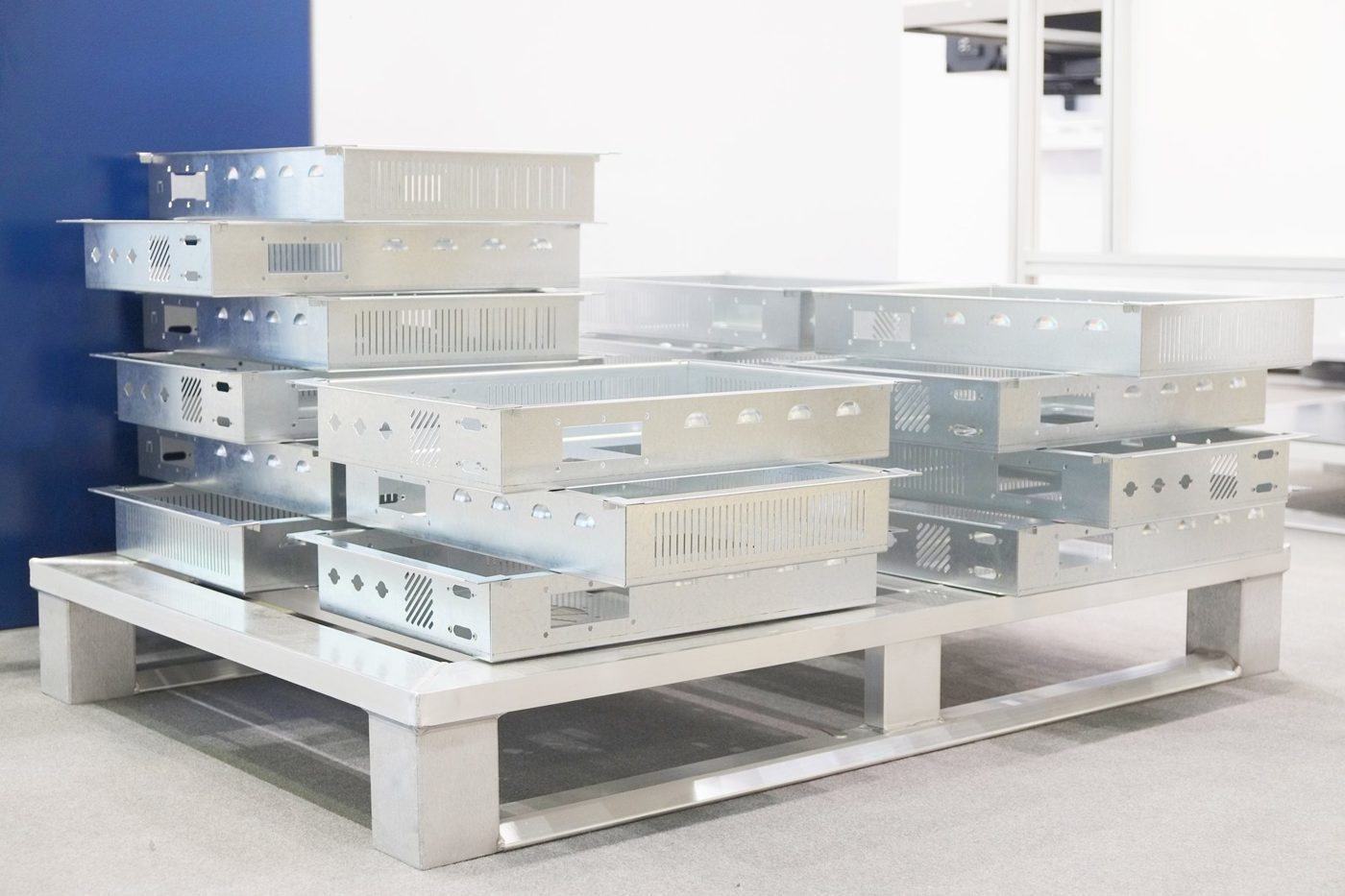 Enclosure partsFormed boxes and covers
 Formed copper busbarsOffsets and located holes
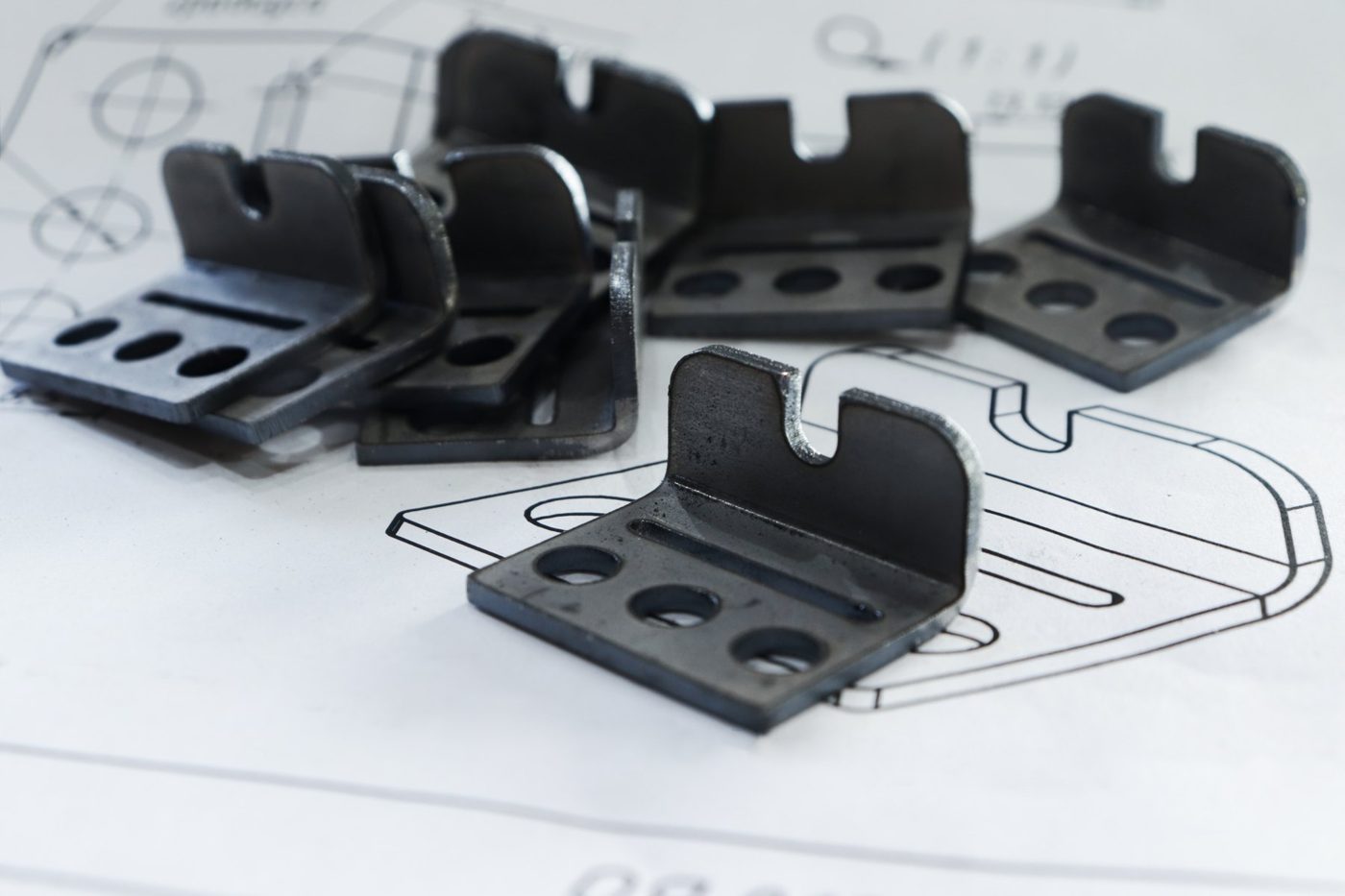 Formed steel bracketsHoles cut before forming
Quality you can document
Sheet metal work runs under the same AS9100D and ISO 9001:2015 quality system as our aerospace and defense work, certified by NSF-ISR.
- Every drawing reviewed before quoting
- First-article inspection on new parts, AS9102 FAI on request
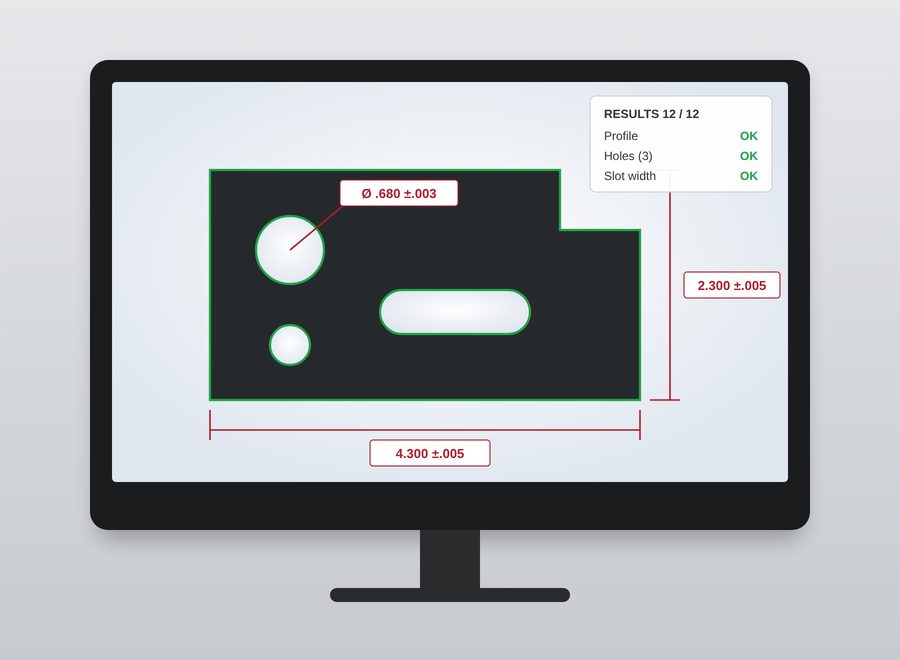
- Keyence image measurement and CMM inspection
- Material certs, DFARS-compliant and domestic material
- Certificate of conformance with every shipment
- Revision control: your program and setup are saved for repeat orders
- ITAR registered · CMMC Level 1, with Level 2 in progress
How a sheet metal order works
Send your model and drawing
Any 3D model of the formed part plus a PDF drawing with tolerances, material, finish and quantity.
Design review and quote
We check the bends and the flat and quote fast. Any changes that would save money or prevent a problem come with the quote.
First article
We cut, form and inspect the first part to your print, with a full AS9102 report when you need one.
Production and repeats
Parts ship marked, deburred and finished, with certs. The program is saved, so repeat orders match the first.
Sheet metal fabrication FAQ
We can work with any 3D model: STEP, IGES, Parasolid or your native CAD file. Add a PDF drawing with tolerances, material, finish and quantity. A DXF works for flat parts.
No. We unfold the part using our own bend deductions and tooling, which is more accurate than a CAD default. If you want to make the flat yourself, ask us for the bend values for your material and thickness.
Bends up to 10′ long on our TRUMPF TruBend 2100, from blanks up to 5′ × 10′ cut on our TRUMPF laser.
It depends on the material and the length of the bend. Our 110-ton brake covers a wide range: thicker parts bend over shorter lengths, and stainless and high-strength steels take more force than mild steel. Send the part and we’ll confirm it fits.
Typical formed tolerance is ±.010–.015″ and ±1°. Laser-cut features in the flat hold tighter, and flat plate can be ground to ±.001″. If your drawing needs tighter formed dimensions, tell us which ones and we’ll quote to them.
Yes, with a larger inside radius. 6061-T6 cracks on tight bends. If the part doesn’t need T6 strength, 5052-H32 bends tighter and costs less to form, and we’ll suggest it in design review.
Not yet. Many assemblies don’t need welding at all. We design them with tab-and-slot joints, threaded inserts and hardware, which often cuts cost too.
Yes. We install threaded inserts and drill, countersink and tap holes in-house.
We deburr, sand, tumble and blast in-house. Anodize, chem film, passivation, plating, paint and powder coat go to outside finishers that we manage, including Nadcap-accredited finishers for special processes. Parts come back to us for marking and inspection.
Yes. When a part needs it, we form it with protective film to keep stainless, aluminum and finished surfaces free of scratches and die marks.
Yes. We cut and bend customer-supplied material. Send the material spec with your drawing so we can plan the cut and the bends.
No fixed minimum and no hard tooling. Prototypes, short runs and production are all routine, with fast quoting and fast turnaround.
Have a part to cut and form?
Send your 3D model and drawing with the material, finish and quantity. We’ll review the bends and send a quote with any changes that would save you money.